All Points Garage Doors: Expert Tips for Troubleshooting Common Issues
All Points Garage Doors offers valuable information about typical garage door concerns. A large number of homeowners deal with challenges like door misalignment, disruptive noises, or faulty remote controls. Recognizing these problems is essential for successful problem resolution. Straightforward actions can commonly fix smaller issues. However, persistent problems may indicate deeper issues. Considering preventive care advice and recognizing when professional assistance is needed can greatly impact the lifespan of a garage door system. What factors should homeowners evaluate before starting repairs?
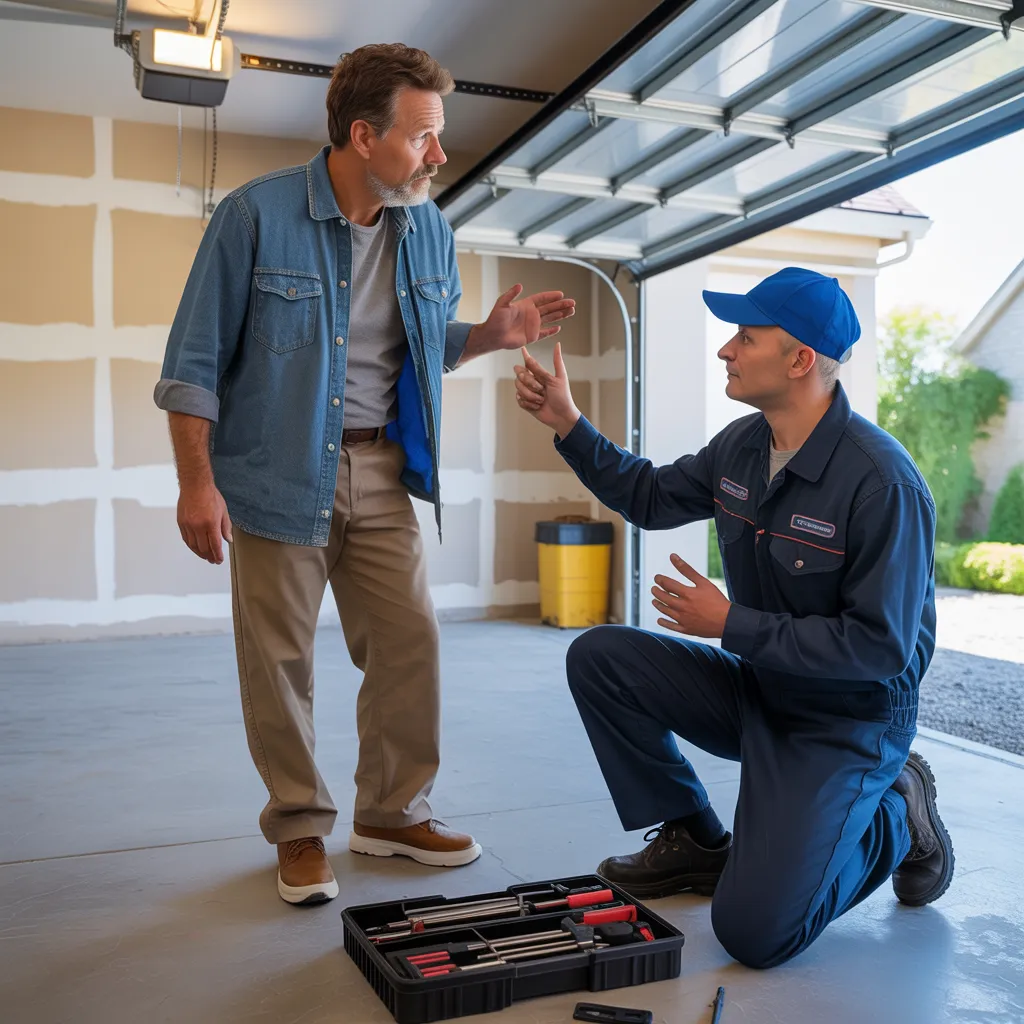
Common Garage Door Problems and Their Symptoms
Garage doors may display a range of issues that may disrupt their functionality. One common problem is misalignment, which can lead to the door sticking or not shutting properly. Signs of this issue include gaps at the top or bottom of the door when closed or uneven movement during operation. A malfunctioning remote control is another common problem, shown by the door failing to respond even when the buttons are pressed. Furthermore, deteriorated springs can cause trouble opening the door or produce noticeable sounds during operation; this generally necessitates urgent care. Another symptom to watch for is a door that reverses unexpectedly, pointing to a likely obstruction or sensor failure. Lastly, rust or corrosion may impact tracks and rollers, causing irregular operation. Detecting these symptoms promptly can assist in preventing major problems and ensure the door runs smoothly.
How to Fix a Garage Door That Won't Open
A jammed garage door can be incredibly annoying, most notably when it cuts off access to necessary belongings. To begin, it is important to examine the power source; verifying the opener is plugged in and the circuit breaker remains intact can address many common issues. Additionally, examining the batteries in the remote control is advisable. In the event the batteries are worn out, swapping them out could reestablish normal function.
If the door still won't open, inspect the rails for dust or obstructions. Removing any blockages can often allow the door to move freely. In addition, verifying that the sensors are properly aligned is essential; misaligned sensors can disrupt operation.
If these measures prove unsuccessful, it may be worth considering using the door in manual mode. Pulling the emergency release cord can allow for manual operation. However, if the problem persists, reaching out to a professional could be required to diagnose and rectify more complex issues, providing safe and consistent performance of the garage door.
Addressing Garage Door Noise Problems
A noisy garage door can be quite bothersome, frequently indicating underlying problems that require attention. Determining the origins of the noise, greasing the moving mechanisms, and fastening any loosened hardware are important actions to reestablish silent performance. Tackling these issues can significantly improve the door's efficiency and lifespan.
Identify Noise Sources
How can homeowners identify the origins of noise coming from their garage doors? Pinpointing the source of noise is critical for successful troubleshooting. Homeowners should begin by watching the door's movement as it opens and closes. Paying attention to particular sounds—such as grinding, squeaking, or rattling—can point to various problems. Additionally, inspecting various components, including the tracks, rollers, and copyrights, may reveal wear or damage. A comprehensive inspection of the garage door opener and springs should also be performed, as these parts can generate unwanted noises. By methodically assessing these parts, homeowners can develop a better grasp of the noise sources, opening the door to effective solutions. This proactive approach can ultimately enhance the door's performance and longevity.
Lubricate All Moving Components
Ensuring the proper functioning of garage doors often requires regular lubrication of moving parts. As time passes, elements like copyrights, rollers, and tracks tend to lose their lubrication, resulting in greater friction and unwanted noise. Applying a silicone-based lubricant or lithium grease to these areas can significantly minimize noise and enhance performance. It is crucial to avoid using WD-40 or similar products, as they can attract dust and grime, ultimately exacerbating the problem. Regularly inspecting these parts for wear and tear can also guarantee longevity. A properly lubricated garage door functions smoothly and with minimal noise, enhancing the overall experience of using the garage. This simple maintenance step can prevent more serious issues down the line, supporting the door's consistent and dependable operation.
Fasten Loose Hardware
Securing loose components can considerably decrease the clattering and rattling sounds that often plague garage doors. With continued use, screws, bolts, and brackets can come loose due to regular use and environmental factors. Such looseness can result in unwanted noise as the door operates. To resolve this problem, homeowners should check all hardware, including copyrights, tracks, and roller brackets. A quick visual examination can often identify loose parts. Using the proper tools, such as a socket wrench or screwdriver, securing these parts can improve stability and reduce noise. Routine upkeep, including frequent assessments for loose parts, is essential to guarantee longevity and smooth operation of the garage door. This proactive approach can boost the overall efficiency of the system.
How to Fix an Off-Balance Garage Door
A garage door that is out of balance can cause a range of issues, ranging from excessive noise to significant damage. To resolve this issue, one must first examining the door's All Points Garage Doors springs and cables for wear or damage, as these parts play a critical role in maintaining balance. When the springs appear worn or damaged, replacement is necessary to re-establish the correct tension. Following this, examine the rollers and tracks for any obstructions or misalignments that might interfere with the door's operation.
Adjustments to the tension on the springs might also be required. This can be done using a wrench to tighten or loosen the spring, ensuring even tension on each side. If the door stays out of balance, it could be beneficial to contact a qualified technician. Regular checks and timely repairs can avoid additional issues, ensuring the garage door runs efficiently and effectively.
How to Maintain Your Garage Door
Regular maintenance is vital for the longevity and functionality of a garage door. Homeowners should begin by inspecting the door and its components at least twice a year. Inspecting for evidence of damage, such as oxidation or damaged cables, can prevent future issues. Lubricating moving parts, including copyrights, rollers, and tracks, promotes efficient movement and decreases wear and tear.
Moreover, inspecting the door's safety components, such as auto-reverse mechanisms, is essential for reliable performance. Clearing the tracks of dirt and debris helps avoid obstructions that could affect performance.
Calibrating the springs and verifying proper alignment are also essential; however, these steps may necessitate professional assistance. Lastly, keeping up with the weather seal helps improve energy efficiency while protecting against the harsh elements. By following these recommendations, homeowners can extend the life of their garage doors and maintain peak functionality.
When to Hire a Professional for Repairs
Determining when to call a professional for garage door fixes is critical for safety and functionality. Serious structural damage, consistent malfunctions, and safety concerns should prompt immediate expert intervention. Tackling these problems in a timely manner can eliminate further problems and guarantee safe operation.
Severe Damage Assessment
When extensive damage is present, evaluating the extent of the problem is essential in establishing if professional intervention is required. Visible signs of significant damage include large dents, broken springs, or misaligned tracks. These issues may compromise safety and functionality, making it imperative to address them promptly. Additionally, should the garage door struggle to function properly, strange sounds emerge, or there are issues with the remote or keypad, this may signal underlying mechanical issues. Property owners should also take into account the door's age; aging units may demand more comprehensive repairs or full replacement. In these situations, consulting a professional with expertise in garage door systems can guarantee a thorough assessment and effective resolution, ultimately safeguarding the home and its occupants.
Recurring Malfunction Patterns
When examining extensive damage, homeowners might observe frequent malfunction patterns that require expert intervention. Frequent concerns encompass doors that struggle to open or close properly, unusual noises during operation, and erratic reactions to remote controls. These issues frequently suggest underlying mechanical or electrical problems, such as deteriorated springs, defective sensors, or faulty wiring. If these issues persist despite basic troubleshooting, consulting a qualified professional is recommended. Regular maintenance can help prevent these patterns, but when they develop, they suggest that self-repair attempts may fall short. Swift assistance from a skilled technician can secure safety and reestablish proper operation, ultimately prolonging the life of the garage door system. Property owners ought to seek expert assistance when dealing with ongoing malfunctions.
Safety Concerns Present
Even though many garage door concerns can be handled through standard troubleshooting, particular safety matters demand immediate expert involvement. When a garage door displays unpredictable behavior, including opening or closing without reason, it poses significant risks to both individuals and property. Defects in the door's safety sensors or springs can cause significant injuries or mishaps. Moreover, if there are clear signs of damage, such as frayed cables or damaged tracks, these situations call for reaching out to an experienced specialist. Trying to fix these issues independently can worsen the problem or introduce new dangers. Therefore, when personal safety is a concern, it is advisable to obtain expert support to ensure correct handling and resolution of the concerns present.

Frequently Asked Questions
How Often Should My Garage Door Be Inspected?
Garage doors need to be checked a minimum of two times annually to ensure they function correctly. Periodic examinations can uncover developing concerns ahead of time, which helps preserve safety and extend the lifespan of the door and its parts.
What Are the Different Types of Garage Door Materials?
Various garage door material options include fiberglass, steel, aluminum, wood, and vinyl. These materials each offer distinct benefits, including durability, visual appeal, and insulation capabilities, giving homeowners the flexibility to decide based on their unique requirements and tastes.
Am I Able to Replace My Garage Door Opener by Myself?
Absolutely, homeowners can swap out a garage door opener on their own, so long as they are equipped with basic tools and follow manufacturer instructions. However, care should be taken, as improper installation may lead to safety hazards or functionality issues.
How Do Weather Changes Affect Garage Doors?
Seasonal shifts can greatly affect overhead garage doors. Drastic temperature changes can trigger the expansion and contraction of structural materials, causing misalignment, decreased efficiency, or malfunctioning components, ultimately impacting the door's operation and longevity over time.
What Safety Features Are Essential for My Garage Door?
A residential garage door should feature security components such as automatic reversal functions, photo-eye sensors, and robust security locks. These components improve security by reducing the risk of accidents and deterring unauthorized entry, providing homeowners with confidence and reassurance.